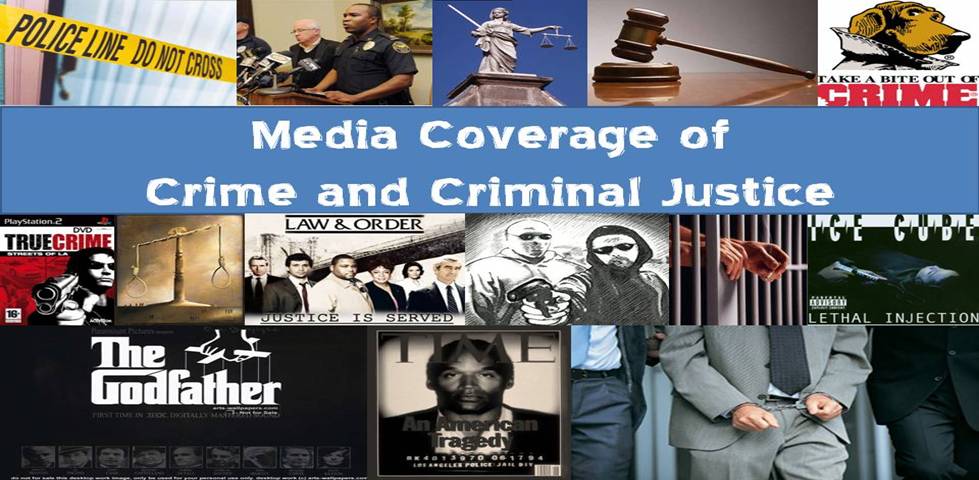
And for the most part, that is precisely what they do.
Yet, occasionally, media portrayals of law enforcement impact actual police work, and cops find themselves in a real-life movie scene, chasing a criminal at high speeds even though residential neighborhoods or in heavy traffic.
And every once in a while, someone dies.
 |
| Whoops, sorry, you are now dead. |
A chase ended in the deaths Tuesday of two suspected car thieves. This would have been banned under a new vehicle pursuit policy under review by the Indianapolis Metropolitan Police Department.
Chief Paul Ciesielski said Wednesday that the new policy would allow officers to chase only violent suspects who are an immediate threat. Currently, police can pursue any motorist who flees, regardless of what they did.
This makes no sense, because courts have ruled that vehicles are deadly weapons when used against the police. The logic works the other way, too. A cop racing through the streets at a high rate of speed is also driving a "loaded weapon."
So logic suggests that if you cannot legally kill a car thief, then you should not be able to chase him, because if he dies during that chase, you are liable for his death.
Critics of chases say they put police officers, offenders and innocent bystanders at risk. And they do.
Now, the counter argument is that now criminals know that when they steal cars, they don't have to worry about being chased by the police. That is also true.
There is any easy solution to this problem. Lock your cars. Don't leave your keys in them. And companies can now produce technology that allows stolen cars to be shut down from afar (just watch the show, "Bait Car" if you don't believe me).
And everybody wins!
http://www.indystar.com/article/20110901/LOCAL18/109010383/Policy-change-by-IMPD-would-put-brakes-chases?odyssey=mod%7Cnewswell%7Ctext%7CCommunities%7Cp
